Why I Tell People I’m a “Trust Marketer” (And Why They Usually Blink Twice)
I was sitting at my exhibitor booth at the MarkeTech conference in Kearney. It was loud, and all my device batteries were empty. A passerby stopped to look at my sign.
They asked, "So, what do you do?"
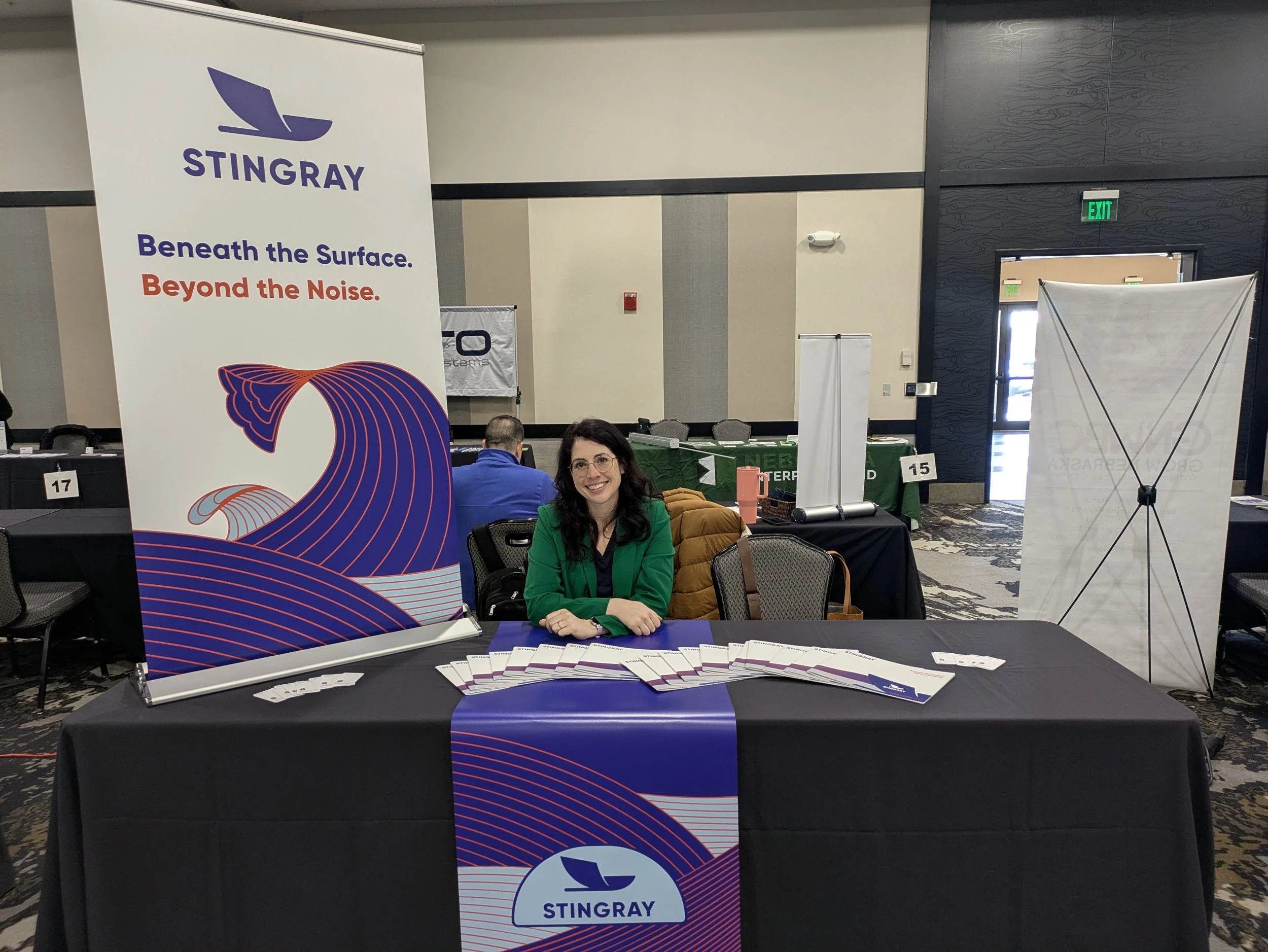
Usually, I say "marketing consultant" or "writer." It’s safe. People know what a writer does. But that day, I test-drove a new name for what I do. It’s how I actually view myself.
"I'm a trust marketer," I said.
After a couple of blinks, they said, "I don’t know what that means."
Here is the thing: In an industry that reinvents itself every time a social media algorithm hiccups, most brands are sprinting. They’re chasing volume, trends, and viral hacks. But while the world rushes toward high-pressure noise, I’m interested in what happens beneath the surface.
I’m interested in Trust Marketing.
What is trust marketing?
Trust marketing is an organic, long-term strategy that builds brand authority and visibility by prioritizing primary-sourced, expert-led content over high-pressure sales tactics or paid advertising.
Some marketing pros will tell you to drop $1,000 on a Google Ad to see immediate traffic. Or to buy a list and send a bunch of cold emails to prospects. And sure, that works — until you stop paying or sending those emails. (And actually, I’m biased against cold emails, but that’s for a different blog.)
Here are some of my “trust marketing” tactics:
Social Proof: Use case studies, podcasts, white papers, and user-generated content (like testimonials) to show, rather than tell, that what you do is valuable.
Transparency: Openly share information, acknowledge mistakes, and act with integrity to build genuine connections. This can also mean showing up to a meeting in a tracksuit, sans makeup. But maybe that’s just me…
Consistency: Deliver a consistent message across all channels (website, Facebook, IG, LinkedIn, press releases, and Google Business Profile) to build a trustworthy brand identity.
Customer Centricity: Focus on your customers’ needs and experience, not just your product or service. Don’t be the hero. Become their expert guide.
I think trust marketing is the "Un-Ad." Results are stable and continue to bear fruit long after a specific campaign ends. It stems from the belief that if your audience knows you, likes you, and eventually trusts you, sales or donations don't just happen — they stay. It’s the difference between a one-time click and a years-long relationship. Between a one-time conversion and a customer who refers their friends to you without you ever asking.
Why the "human-in-the-loop" matters
If you ask an AI "what is trust marketing," it’ll give you a clinical definition of E-E-A-T (Experience, Expertise, Authoritativeness, and Trustworthiness). But any seasoned pro will tell you that the "E" for Experience is the only thing AI can’t fake. Sure, it can scrape Reddit and LinkedIn for insights, but the unfiltered lens is the content people really want to consume. That only comes from one-on-one conversations.
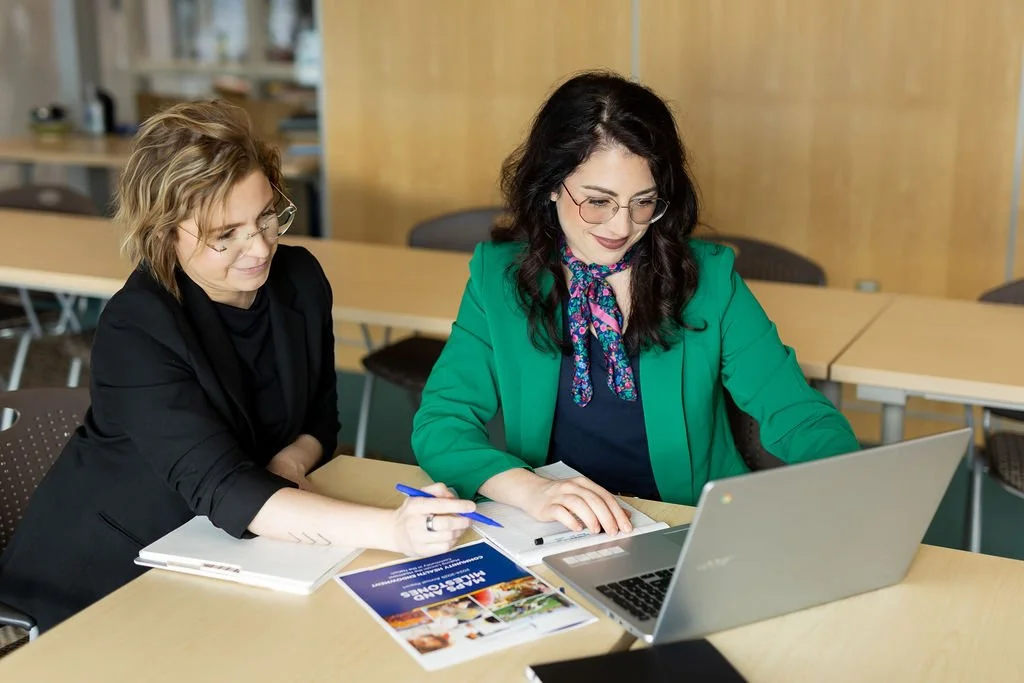
Trust is built through primary sourcing. It’s built when I sit down at a coffee shop or in the office with a subject-matter expert on your team — not to aggregate content for a generic blog — but to uncover your unique voice and the nuanced truth of what you do.
The cost of the "trust gap."
What happens if you don't do this? Marketing pros call it the "leaky bucket." You can have all the traffic in the world, but if your content feels thin, automated, or "salesy," your bounce rate will tell the story. People don't buy from brands they don't believe in.
Does trust marketing actually work?
I know "Trust Marketer" sounds a bit philosophical, but the numbers are very literal. By focusing on deep credibility and strategic storytelling, I’ve helped my clients see:
A 314% increase in engaged Facebook users.
3x the nonprofit donations compared to previous years.
A 241% increase in organic keywords.
Beneath the surface. Beyond the noise.
At the end of the day, I don’t just deliver a file. I’m a fractional partner. We’ll talk. Get to know each other. We’ll meet up or jump on a call to talk through your challenges and wins. I’m here to help you build a brand foundation that broadens awareness and deepens credibility.

I’m Brittany Wren. Being a "Trust Marketer" might make for a slightly confusing elevator pitch at a conference booth, but it makes for a much stronger business.